Face Mask Inspection in Vietnam: Quality Control for Safe and Reliable Protective Masks
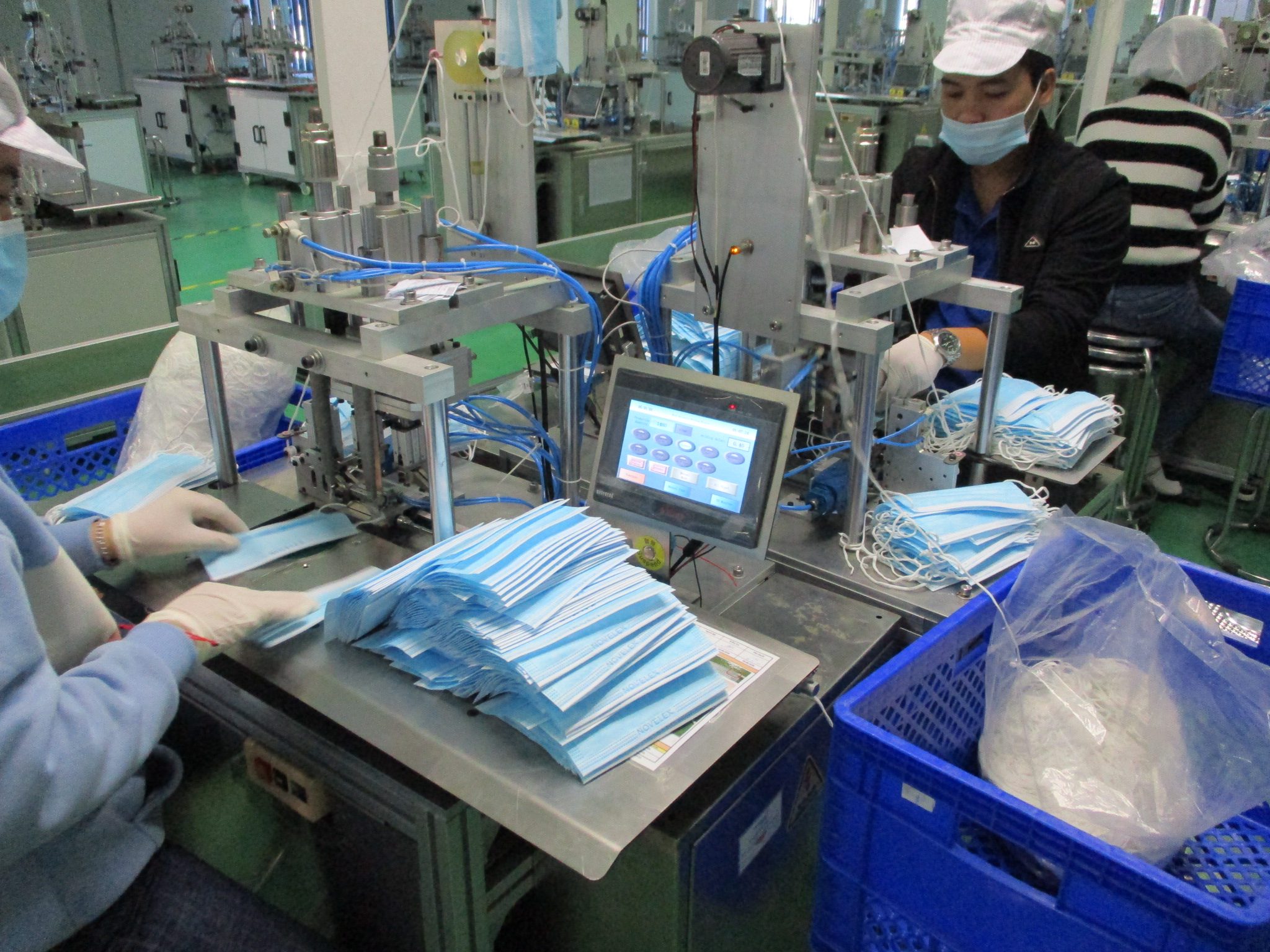
Face mask inspection is an essential quality control process that verifies whether medical masks, respirators, and non-medical face masks meet the required safety, performance, and manufacturing standards before shipment. Professional inspections help manufacturers and importers identify defects early, ensure product consistency, and protect consumers by verifying that face masks perform as intended.
The COVID-19 pandemic highlighted the critical role of face masks in reducing the transmission of airborne diseases. Although demand has stabilized since the pandemic, quality remains a major concern. As more manufacturers entered the market, product quality varied significantly, making independent inspection and testing an important part of the supply chain.
Why Is Face Mask Inspection Important?
Face masks are designed to reduce the spread of airborne particles and protect users from inhaling harmful contaminants. However, poor-quality materials, weak construction, or manufacturing defects can significantly reduce their effectiveness.
A professional inspection helps ensure that face masks:
- Meet customer specifications
- Are manufactured consistently
- Comply with applicable regulations
- Provide reliable protection
- Are free from critical manufacturing defects
- Are properly packaged and labeled
For importers, third-party inspections reduce the risk of receiving non-compliant products that could result in customer complaints, product recalls, or regulatory issues.
Which Standards Apply to Face Masks?
Different face masks are manufactured according to different standards depending on their intended use and target market.
Common international standards include:
| Standard | Application |
|---|---|
| ASTM F2100 | Medical face masks (United States) |
| EN 14683 | Medical face masks (European Union) |
| NIOSH 42 CFR Part 84 | N95 respirators (United States) |
| GB 19083 | Medical protective masks (China) |
| GB 2626 | Respiratory protective masks (China) |
| ISO 13485 | Quality management for medical device manufacturers |
Depending on customer requirements, inspections may also verify compliance with applicable regulatory labeling and packaging requirements.
What Does Face Mask Inspection Include?
A comprehensive face mask inspection combines visual examination, dimensional verification, workmanship assessment, functional testing, and packaging inspection.
Typical inspection activities include:
- Product appearance
- Dimensions
- Material verification
- Workmanship inspection
- Functional testing
- Packaging inspection
- Quantity verification
- Label and marking verification
Inspection criteria are established according to customer specifications, applicable standards, and the intended use of the product.
Key Inspection Stages During Face Mask Production
Quality control should begin during manufacturing rather than waiting until the final shipment stage.
1. Material Inspection
The quality of the finished face mask depends heavily on the quality of the incoming raw materials.
Inspectors verify materials such as:
- Nonwoven fabric
- Melt-blown filtration layer
- Nose clips
- Ear loops
- Elastic bands
- Packaging materials
Raw materials are checked for consistency, cleanliness, and compliance with customer specifications before production begins.
2. Cutting and Forming Inspection
During this production stage, mask materials are cut and shaped into the final design.
Inspectors verify:
- Correct dimensions
- Proper alignment
- Uniform folding
- Consistent shape
- Clean cutting edges
Poor cutting accuracy can affect both comfort and protective performance.
3. Ear Loop Attachment Inspection
Ear loops are essential for ensuring a secure fit.
Inspectors evaluate:
- Attachment strength
- Welding quality
- Position accuracy
- Elasticity
- Symmetry
Weak or improperly attached ear loops are among the most common manufacturing defects found during inspections.
4. In-Process Workmanship Inspection
During production, inspectors monitor overall manufacturing quality.
Typical checkpoints include:
- Clean appearance
- No contamination
- Proper ultrasonic welding
- Uniform stitching where applicable
- Correct nose clip installation
- Consistent assembly quality
Identifying problems early helps manufacturers reduce waste and improve production efficiency.
5. Cleanliness and Packaging Inspection
For medical and hygienic products, maintaining cleanliness throughout production and packaging is essential.
Inspectors verify:
- Product cleanliness
- Packaging integrity
- Correct labeling
- Batch identification
- Quantity per package
- Carton condition
Where required, manufacturers may also conduct microbial cleanliness testing according to applicable product standards.
Common Defects Found During Face Mask Inspection
Third-party inspections frequently identify manufacturing issues before shipment.
Common defects include:
- Weak ear loop attachment
- Incorrect dimensions
- Damaged filtration layers
- Poor ultrasonic welding
- Contaminated products
- Loose nose clips
- Incorrect labeling
- Packaging defects
- Mixed product sizes
- Inconsistent workmanship
Detecting these issues before export helps prevent costly returns and protects brand reputation.
Why Third-Party Inspection Is Valuable
Independent quality inspections provide objective verification that products meet agreed specifications before shipment.
For importers, third-party inspections help:
- Reduce shipment risks
- Verify factory quality control
- Confirm production consistency
- Minimize customer complaints
- Improve supplier performance
- Protect brand reputation
For manufacturers, inspections support continuous quality improvement while increasing customer confidence.
How VIS Global Supports Face Mask Inspection in Vietnam
Vietnam has become an important manufacturing hub for personal protective equipment (PPE), supplying medical and non-medical face masks to customers worldwide.
VIS Global provides professional inspection services throughout the production process to help manufacturers and importers verify product quality before shipment.
Our inspection services include:
- During Production Inspection (DPI)
- Pre-Shipment Inspection (PSI)
- Factory Audit
- Container Loading Supervision
- Product Sampling
- Workmanship Inspection
- Packaging Verification
- Quantity Inspection
Our experienced inspectors evaluate products according to customer specifications, applicable international standards, and established quality control procedures.
Frequently Asked Questions
When should face mask inspections be conducted?
Face masks can be inspected during production, before shipment, or during container loading. Many importers choose Pre-Shipment Inspection (PSI) to verify product quality before export.
Does inspection replace laboratory testing?
No. Inspection evaluates workmanship, dimensions, packaging, and production quality, while laboratory testing verifies technical performance such as bacterial filtration efficiency (BFE), particle filtration efficiency (PFE), breathability, and fluid resistance.
Why is ear loop strength important?
Weak ear loop attachment can cause the mask to fail during use, reducing its effectiveness and affecting user safety.
Are all face masks manufactured to the same standard?
No. Medical masks, surgical masks, respirators, and non-medical face masks are manufactured according to different international standards depending on their intended use and target market.
Protect Product Quality Before Shipment
For personal protective equipment, product quality is directly linked to user safety. Comprehensive inspections help ensure that face masks are manufactured consistently, meet customer specifications, and comply with applicable quality requirements before entering the global market.
By combining experienced inspectors with systematic quality control procedures, VIS Global helps manufacturers and importers reduce supply chain risks while delivering reliable face mask products to customers worldwide.