Inspection Methods & Testing Standards Guide for LED lamps

LED lamp inspection is a critical quality control process that verifies the safety, electrical performance, durability, and compliance of LED lighting products before shipment. A comprehensive inspection helps manufacturers and importers identify defects early, ensure compliance with international standards, and reduce the risk of product failures, customer complaints, and costly recalls.
The global LED lighting market continues to expand rapidly due to its energy efficiency and long service life. According to the International Energy Agency (IEA), LED technology now accounts for the majority of lighting sales worldwide and plays a significant role in reducing global electricity consumption. As demand grows, maintaining consistent product quality has become increasingly important for manufacturers and buyers alike.
Why Is LED Lamp Inspection Important?
LED lighting products are expected to operate safely and reliably for thousands of hours. However, manufacturing defects, poor component quality, or inadequate assembly can affect product performance, lifespan, and electrical safety.
A professional inspection helps verify that LED lamps:
- Meet customer specifications
- Comply with international safety standards
- Deliver consistent lighting performance
- Operate safely under normal conditions
- Are free from manufacturing defects
- Are properly assembled and packaged
For importers, third-party inspections provide confidence before products leave the factory, helping reduce quality risks throughout the supply chain.
Which Standards Apply to LED Lamps?
Depending on the destination market, LED lighting products may need to comply with different international standards and regulatory requirements.
Some of the most commonly referenced standards include:
| Standard | Purpose |
|---|---|
| IEC 60598 | Safety requirements for luminaires |
| IEC 62031 | Safety requirements for LED modules |
| IEC 62717 | Performance requirements for LED modules |
| IEC 62722 | Performance requirements for LED luminaires |
| IEC 62471 | Photobiological safety of lamps |
| IEC 61347 | Lamp controlgear safety |
| LM-79 | Electrical and photometric measurements of LED products |
| LM-80 | Long-term lumen maintenance testing of LED packages |
Compliance with these standards helps manufacturers demonstrate product safety, performance, and reliability in international markets.
What Does an LED Lamp Inspection Include?
A complete inspection typically combines visual examination, functional testing, electrical safety verification, and workmanship assessment.
The inspection scope may include:
- Product appearance
- Dimensions
- Label verification
- Electrical safety
- Functional testing
- Performance testing
- Packaging inspection
- Quantity verification
The exact inspection criteria are usually determined by customer specifications, applicable standards, and the product’s intended market.
Key LED Lamp Inspection Methods
Several testing methods are commonly performed during production inspections or laboratory evaluations.
1. Visual Inspection
Visual inspection verifies the overall workmanship and physical condition of the LED lamp.
Inspectors typically examine:
- Housing quality
- Surface finish
- Lens condition
- Assembly quality
- Labels and markings
- Connectors
- Packaging
Common defects include scratches, cracks, loose components, poor assembly, incorrect labeling, and cosmetic imperfections.
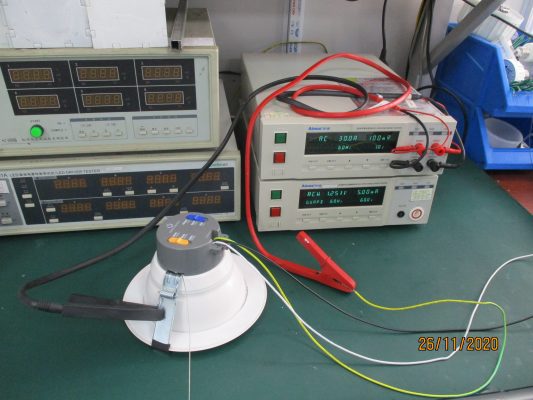
2. High Voltage (Hi-Pot) Test
The Hi-Pot (High Potential) Test evaluates the electrical insulation between live electrical components and accessible conductive parts.
This test helps identify insulation weaknesses that could result in:
- Electric shock hazards
- Short circuits
- Insulation breakdown
- Product failure
Hi-Pot testing is one of the most important electrical safety tests performed on LED lighting products.
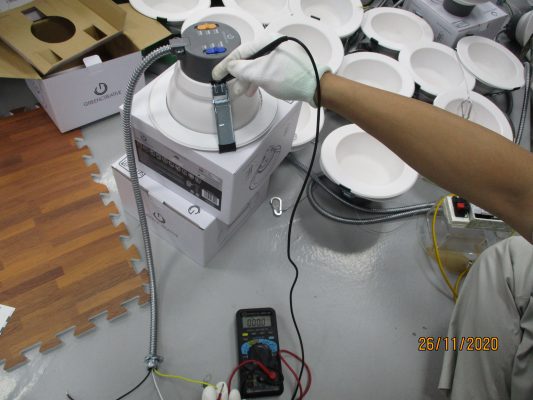
3. Ground Continuity Test
For Class I electrical products, grounding continuity testing confirms that protective earth connections provide a safe path for fault current.
This test ensures:
- Proper grounding resistance
- Reliable protective earth connections
- Compliance with electrical safety requirements
Poor grounding can increase the risk of electric shock during product operation.
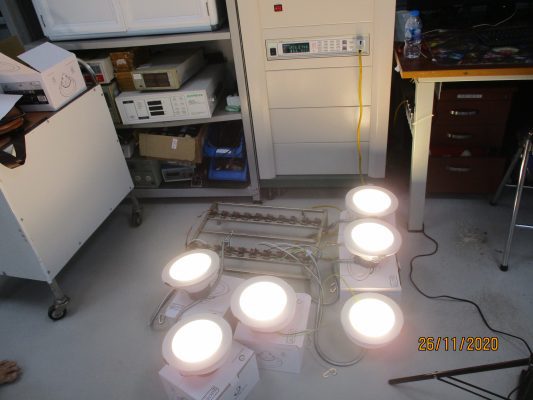
4. Power-On Functional Test
Power-on testing verifies that the LED lamp operates correctly under normal operating conditions.
Inspectors evaluate:
- Immediate start-up
- Stable illumination
- Proper switching
- Flickering
- Abnormal noise
- Excessive heat generation
This simple but essential test confirms basic product functionality before shipment.
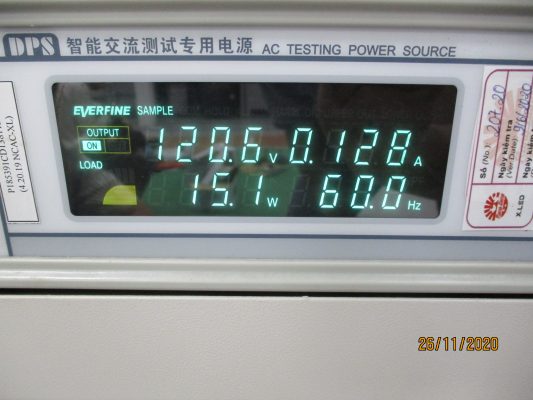
5. Electrical Parameter Verification
Electrical measurements ensure the product operates within its specified performance range.
Typical parameters include:
- Input voltage
- Current
- Power consumption
- Power factor
- Frequency
- Electrical efficiency
Accurate electrical performance is essential for compliance with product specifications and energy efficiency requirements.
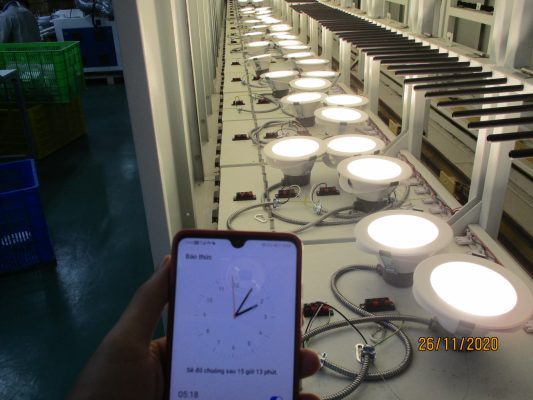
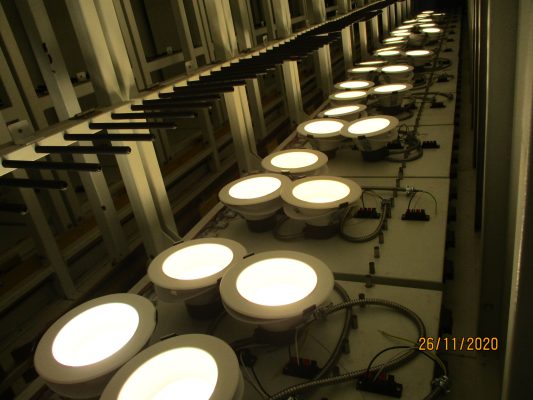
6. Aging (Burn-In) Test
The aging test, sometimes called a burn-in test, involves operating LED lamps continuously for a specified period before shipment.
The objective is to identify early-life failures caused by defective components or manufacturing issues.
During the aging process, inspectors monitor for:
- Flickering
- Driver failures
- Color inconsistency
- Excessive temperature
- Intermittent operation
- Complete product failure
Burn-in testing significantly improves shipment reliability by removing defective products before delivery.
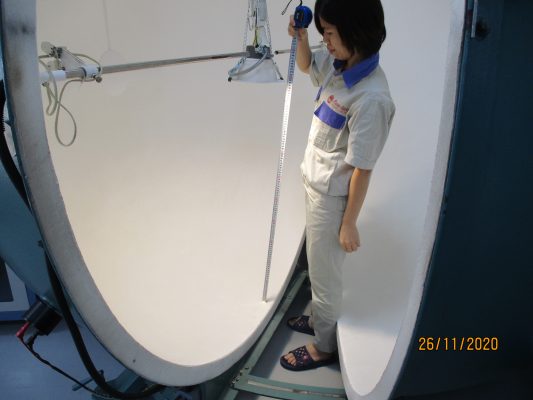
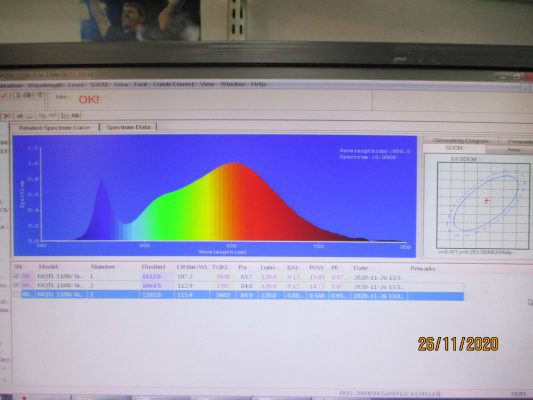
7. Photometric Testing
Photometric testing evaluates the optical performance of LED lamps using specialized laboratory equipment.
Measured characteristics typically include:
- Luminous flux (lumens)
- Luminous intensity
- Color temperature (CCT)
- Color Rendering Index (CRI)
- Beam angle
- Light distribution
- Luminous efficacy
These measurements help verify whether the product delivers the lighting performance claimed by the manufacturer.
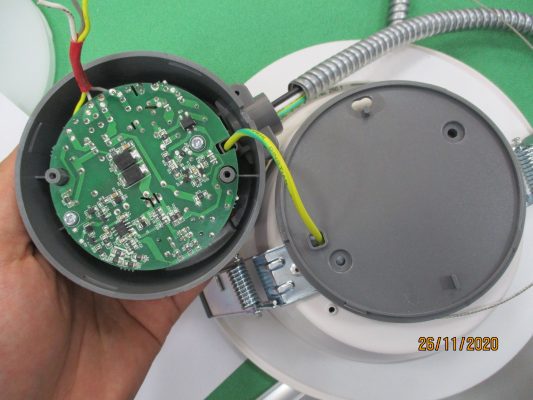
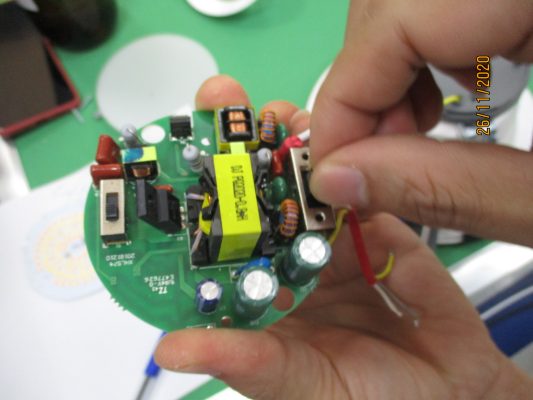
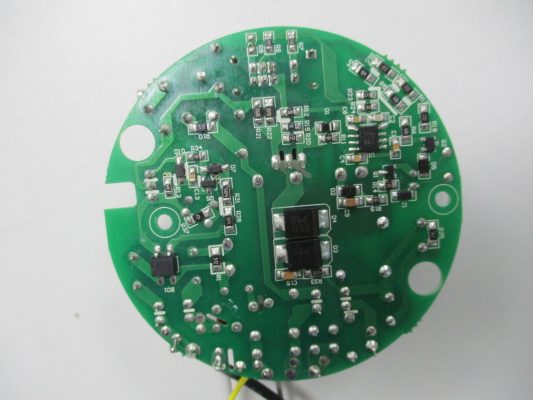
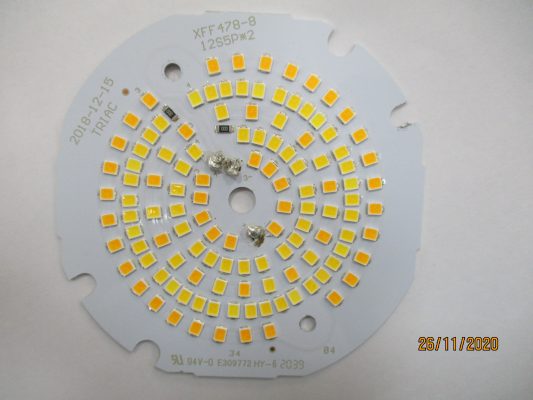
8. Internal Construction Inspection
Internal inspection evaluates the quality of components and assembly inside the LED lamp.
Inspectors examine:
- LED driver construction
- PCB quality
- Wiring connections
- Soldering quality
- Insulation
- Heat sink installation
- Mechanical fastening
Poor internal workmanship often leads to premature product failure, overheating, or electrical safety issues.
Common Defects Found During LED Lamp Inspection
Third-party inspections like VIS Global frequently identify issues that may not be visible during routine factory production.
Common defects include:
- Loose electrical connections
- Poor soldering
- Damaged LED chips
- Incorrect drivers
- Inconsistent brightness
- Color variation
- Missing safety labels
- Inadequate insulation
- Packaging damage
- Non-compliance with customer specifications
Detecting these issues before shipment helps manufacturers avoid costly returns and protects importers from receiving defective products. Read more about our electrical & electronic products inspection service.
Why Third-Party LED Lamp Inspection Matters
Independent inspections provide objective verification that products meet agreed quality requirements before shipment.
For importers, third-party inspections help:
- Reduce defective shipments
- Verify factory quality control
- Ensure product consistency
- Confirm compliance with customer specifications
- Minimize warranty claims
- Protect brand reputation
For manufacturers, inspections support continuous quality improvement while strengthening customer confidence.
How VIS Global Supports LED Lighting Quality Control
VIS Global provides professional inspection and quality assurance services for LED lighting manufacturers, exporters, and international buyers.
Our experienced inspectors evaluate LED lamps according to internationally recognized inspection procedures and customer-specific quality requirements.
Our inspection services may include:
- During Production Inspection (DPI)
- Pre-Shipment Inspection (PSI)
- Factory Audit
- Container Loading Supervision
- Product Sampling
- Functional Testing
- Workmanship Inspection
- Packaging Verification
By identifying quality issues before shipment, VIS Global helps businesses reduce supply chain risks and ensure that LED lighting products consistently meet customer expectations.
Frequently Asked Questions
Why is an aging test important for LED lamps?
An aging or burn-in test helps identify products that are likely to fail shortly after production. Removing these defective units before shipment significantly improves product reliability.
What is the purpose of a Hi-Pot test?
A Hi-Pot test verifies the electrical insulation of an LED lamp, ensuring it can safely withstand high voltage without insulation breakdown or electric shock hazards.
Does every LED lamp require photometric testing?
Photometric testing is generally performed during product development, certification, and quality verification. Routine inspections may include simplified performance checks depending on customer requirements.
When should LED lamp inspections be performed?
Inspections can be conducted at different production stages, including during production, before shipment, and during container loading. Many importers choose Pre-Shipment Inspection (PSI) to verify product quality before goods leave the factory.
Ensure LED Lighting Quality Before Shipment
LED lighting products must meet increasingly demanding expectations for safety, efficiency, and long-term reliability. Comprehensive inspection and testing help manufacturers deliver consistent quality while giving importers confidence that products meet contractual and regulatory requirements.
By combining internationally recognized testing methods with experienced third-party inspections, businesses can reduce quality risks, improve customer satisfaction, and strengthen their competitiveness in the global lighting market.